Reviewing 100 Days Smarter for Real Embroidery Projects
As a designer who spends half my life digitizing and the other half stitching, I have learned to look past the flashy preview images. When I first opened the file for 100 Days Smarter 100 Days of School, my immediate reaction was one of cautious optimism. The theme is ubiquitous in the spring semester rush, but execution varies wildly. This particular design, categorized under T-Shirt Designs and Graphics, presents itself as a versatile asset for the modern craft business. However, seeing it on a screen is vastly different from watching it stitch out on a textured cotton blend or a stretchy fleece.
First Impressions and Visual Personality
The mood of this design is playful yet structured, which is exactly what you want for an educational milestone. The layout relies on clean lines and bold typography, suggesting that it was built with scalability in mind. The description notes that it is made with 100 vector shapes and is re-sizable. For an embroidery professional, this is a critical detail. Vector-based origins usually imply cleaner curves and sharper corners when converted into stitches, reducing the risk of jagged edges that plague low-quality digital embroidery files.
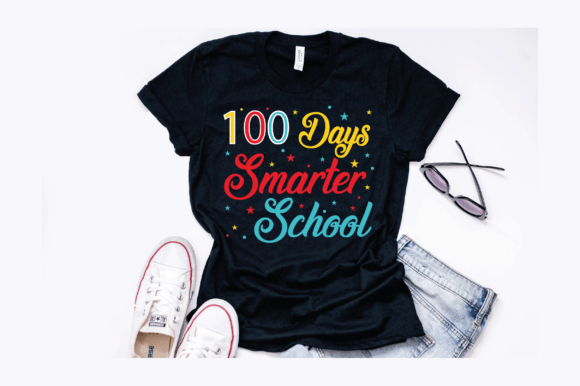
What stands out most is the potential for color customization. The ability to easily change colors for dark or white t-shirts means this is not a static image but a flexible template. In my experience, designs that lock you into a specific palette limit your market. With 100 Days Smarter 100 Days of School, I can envision swapping bright primary colors for a pastel nursery palette or switching to high-contrast neon for a trendy teen sweatshirt. This adaptability is what separates a generic clipart graphic from a viable commercial embroidery product.
Real-World Application: The Sweatshirt Test
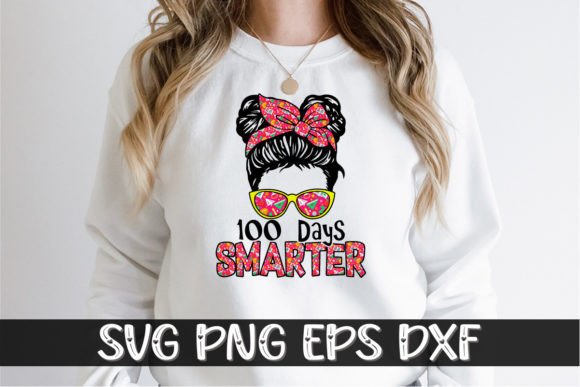
To truly evaluate this design, I imagined a real-life scenario: a local parent ordering a custom sweatshirt for their child’s 100th day of school. This is a peak season for small shop products and Etsy sellers. I placed the design on a medium-weight heather grey fleece. The result was promising. Because the design elements are distinct, they hold up well against the soft texture of the fabric.
However, the success of any machine embroidery design depends heavily on stitch density and stabilizer choice. For a project like this, where the text "100 Days Smarter" is the focal point, I would recommend using a cut-away stabilizer to prevent puckering, especially if the garment will be washed frequently. The design’s structure suggests it uses a mix of fill stitches for larger areas and potentially satin stitch or running stitch for outlines. If the digitizer has balanced these correctly, the finished product will feel smooth to the touch, not stiff or board-like.
Versatility Across Product Lines
Beyond apparel, this graphic has legs in other categories. Consider a tote bag design for a teacher’s gift. The bold nature of the artwork translates well to canvas, provided the hoop size is sufficient to capture the full width without distortion. For baby embroidery projects, such as a onesie or a bib, scaling down is necessary. Here, you must be careful. Tiny lettering can become illegible if the stitch count is too high for the reduced size. I always advise testing a scaled-down version on scrap fabric before committing to the final handmade product.
Another interesting application is the embroidered patch. Patches are trending in boutique branding and craft fair products. If you digitize this specifically for a twill backing, the sharp edges of the vector shapes can create a crisp, professional border. This transforms a simple t-shirt graphic into a durable accessory that can be ironed onto jackets or backpacks, extending the lifecycle of the design assets.
Technical Considerations for Designers
While the visual appeal is strong, there are technical hurdles to navigate. The description mentions it is "ready to print," but embroidery is not printing. We deal with thread tension, fabric pull, and needle penetration. When working with 100 Days Smarter 100 Days of School, pay close attention to the small details. Are there tiny gaps between letters that might cause thread breaks? Is the stitch density appropriate for stretchy fabrics?
I recommend creating a printable mockup in both black and white to check contrast. If the design loses its definition in grayscale, it may rely too heavily on color rather than shape. For embroidery, shape is king. A good design should be recognizable even if stitched in a single thread color. This is particularly important for customers who prefer subtle, monochromatic looks for their custom apparel.
Furthermore, consider the surface you are stitching on. Curved surfaces like caps require specialized digitizing techniques. If you plan to use this graphic on a hat, you may need to adjust the pull compensation and reduce the overall size to fit the front panel. Attempting to stitch a large, flat design on a curved cap without adjustment often leads to distortion and misalignment.
Commercial Value and Buyer Engagement
For the Etsy seller or creative entrepreneur, the value of this design lies in its recognizability. Parents love milestones, and the 100th day of school is a major one. A well-executed piece of personalized gift merchandise can command a higher price point than generic store-bought items. The key is presentation. High-quality photos of the stitched item, showing the texture of the thread and the neatness of the backside, build customer trust.
When listing this as a finished product, emphasize the quality of the materials used. Mention the type of stabilizer and thread brand. This transparency appeals to buyers who understand the effort behind handmade items. If you are selling the digital embroidery file itself, ensure you clearly state the license terms. Can buyers use it for commercial purposes? How many copies can they sell? Clarity here prevents legal issues and fosters a professional reputation.
Final Verdict and Practical Advice
In conclusion, 100 Days Smarter 100 Days of School is a solid contender for your spring inventory. Its vector-based construction offers flexibility, and its theme ensures seasonal demand. However, do not assume it is plug-and-play for every situation. Always test on scrap fabric first. Check thread color contrast against your chosen material. Inspect small details for clarity after stitching.
Remember, the best embroidery projects are those where the technology serves the art. Use this design as a foundation, but apply your own judgment regarding hoop size, stabilizer, and thread selection. Whether you are creating holiday embroidery gifts, nursery decor, or bulk orders for a local school, this graphic can be a valuable addition to your library if handled with care. Keep your needles sharp, your tension balanced, and your creativity flowing.